
Pakistan’s burden of non-communicable diseases is linked to several modifiable risks, including tobacco use, unhealthy diets, physical inactivity and obesity, the National Assembly was told. The government says public awareness campaigns and higher taxes on sugar-sweetened beverages are among the measures intended to address these risks.
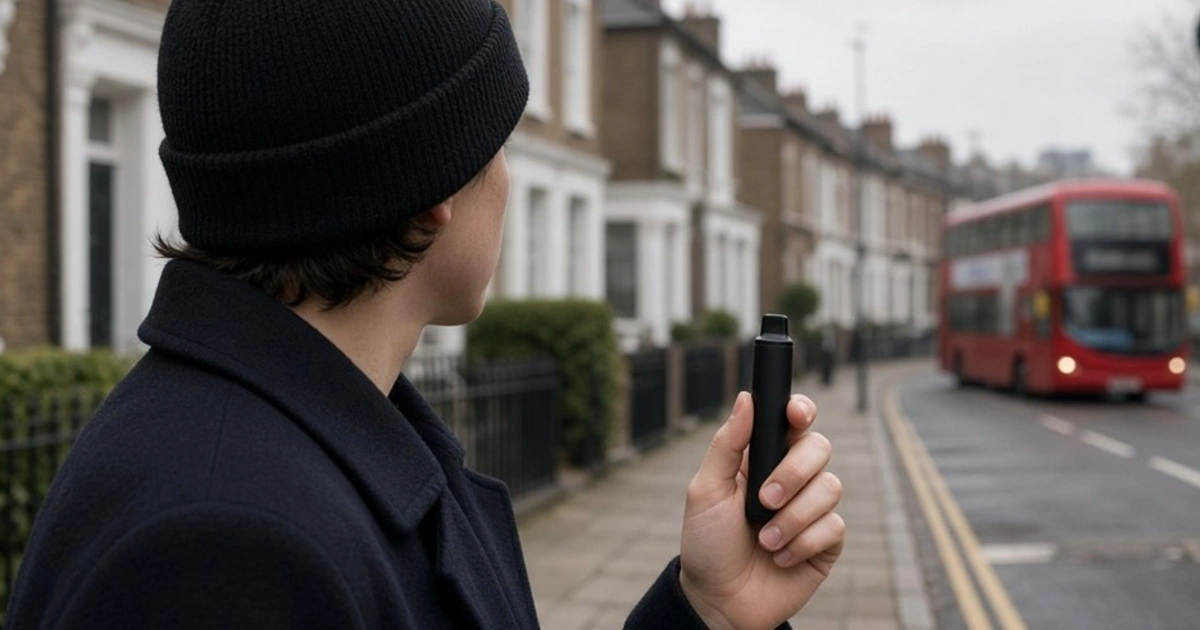
More than 1 million people aged 16 and over in Great Britain who had never smoked said they used e-cigarettes in 2025, according to the UK Office for National Statistics. The finding comes as cigarette smoking continued to decline.
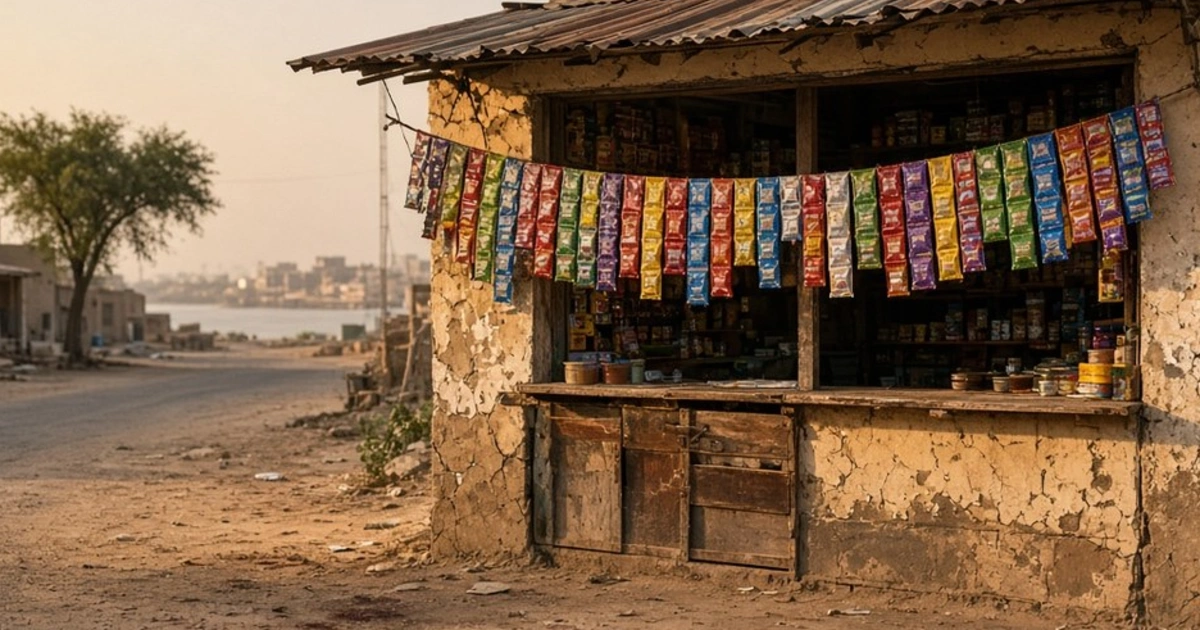
A report published by The News on Sunday describes a growing oral cancer problem in Sindh linked to gutka use, while noting that official case records capture only patients who are diagnosed. The issue matters because gutka remains available in local markets despite a provincial ban, and many rural patients seek care late or do not reach diagnostic facilities.
A study in Scientific Reports examined how cigarette beetles develop and reproduce on six commercial tobacco varieties grown in Pakistan. Its findings point to differences in how the varieties support the pest, which the authors say may help inform management strategies for tobacco storage.
University leaders from several parts of Pakistan have signed a charter to phase out cigarettes and other tobacco and nicotine products on participating campuses. The initiative also proposes student-led awareness, monitoring and research, while calling for national-level policy support.
Simulation studies in the United States, Germany and Russia project that switching from cigarettes to nicotine vaping products could prevent premature deaths and save life-years. The estimates vary widely and depend on assumptions about vaping’s relative risks, how many smokers switch and whether non-smokers take up vaping.
Health experts in Pakistan warn that unhealthy diets and too little physical activity can put children and young people at risk of heart disease and other non-communicable illnesses later in life. The message of World Heart Day, the article argues, should therefore extend beyond the observance and focus on prevention from an early age.
Pakistan could recover revenue by curbing illicit trade, which sources cited in a Business Recorder report estimate costs the country Rs1,000 billion a year. The issue has come into focus as the government engages with an International Monetary Fund mission on revenue targets and fiscal discipline for FY2026-27.
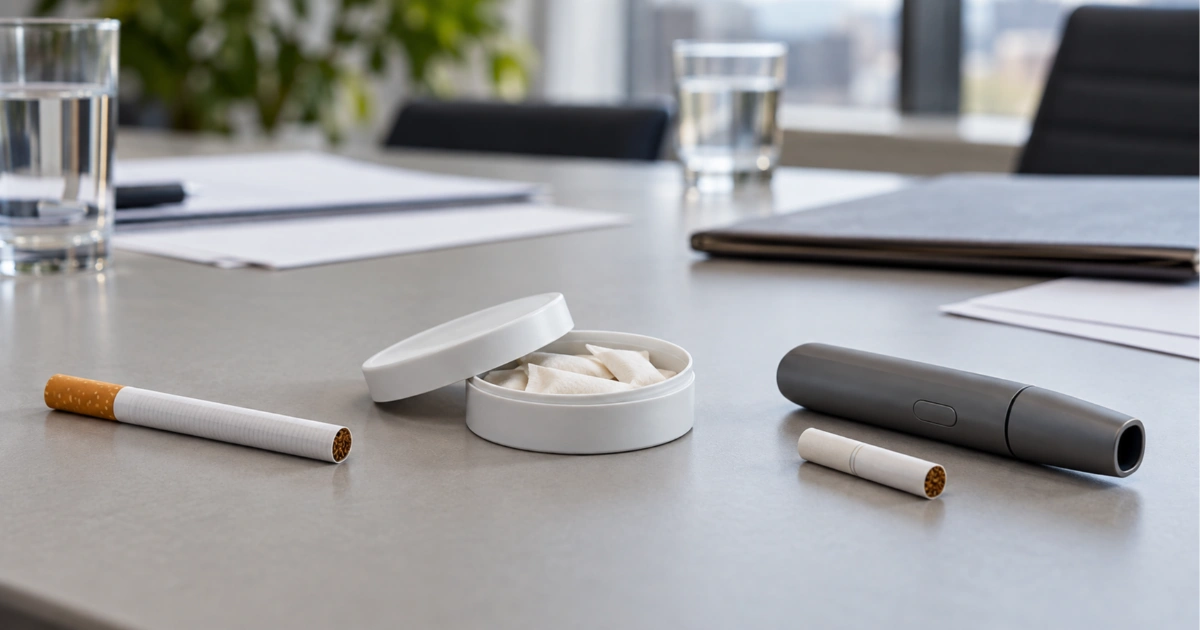
The Alternative Research Initiative (ARI) and its partners are urging federal and provincial governments to set clear policies for alternative tobacco products, including nicotine pouches, amid rising use and misinformation. ARI says unclear rules can leave these products in the hands of people who do not need them.
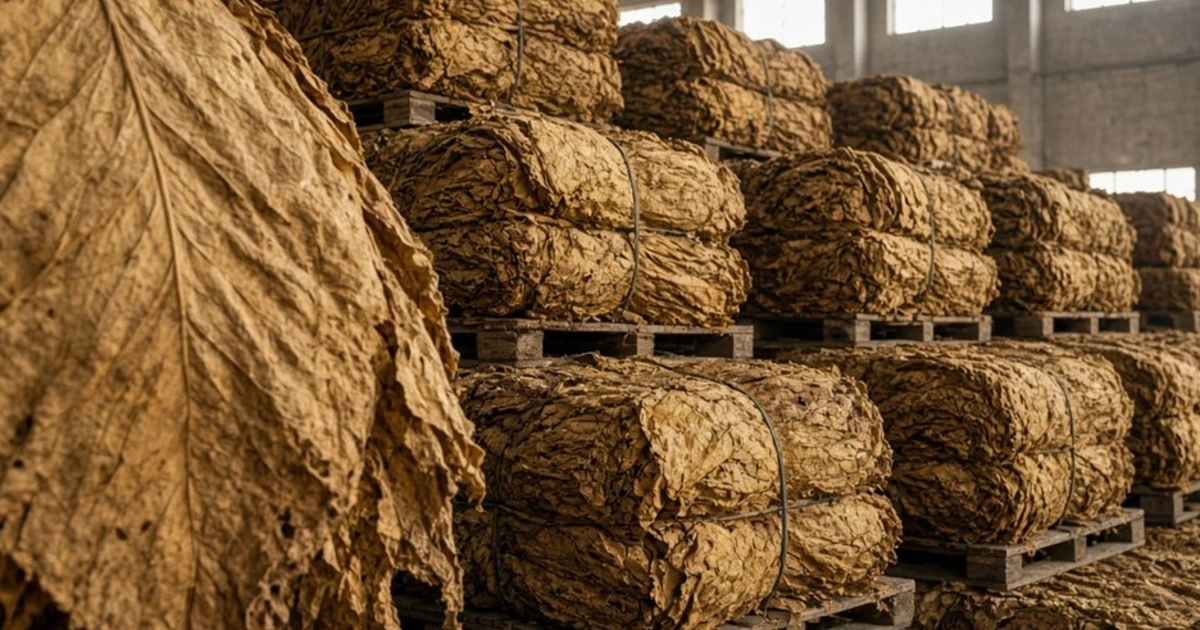
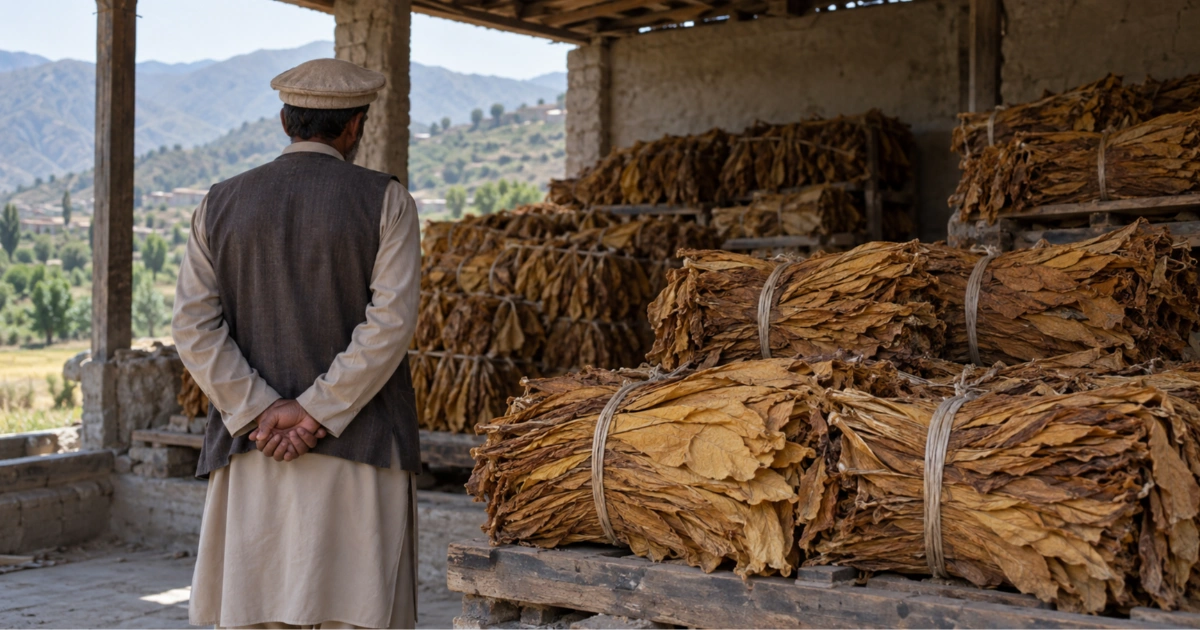
Tobacco growers in Khyber Pakhtunkhwa are burning cured leaf as declared buyer demand falls short of production, according to an article by research economist Wajid Islam. The article argues that weak purchasing commitments, delayed payments and limited competition are leaving farmers with surplus they struggle to sell.
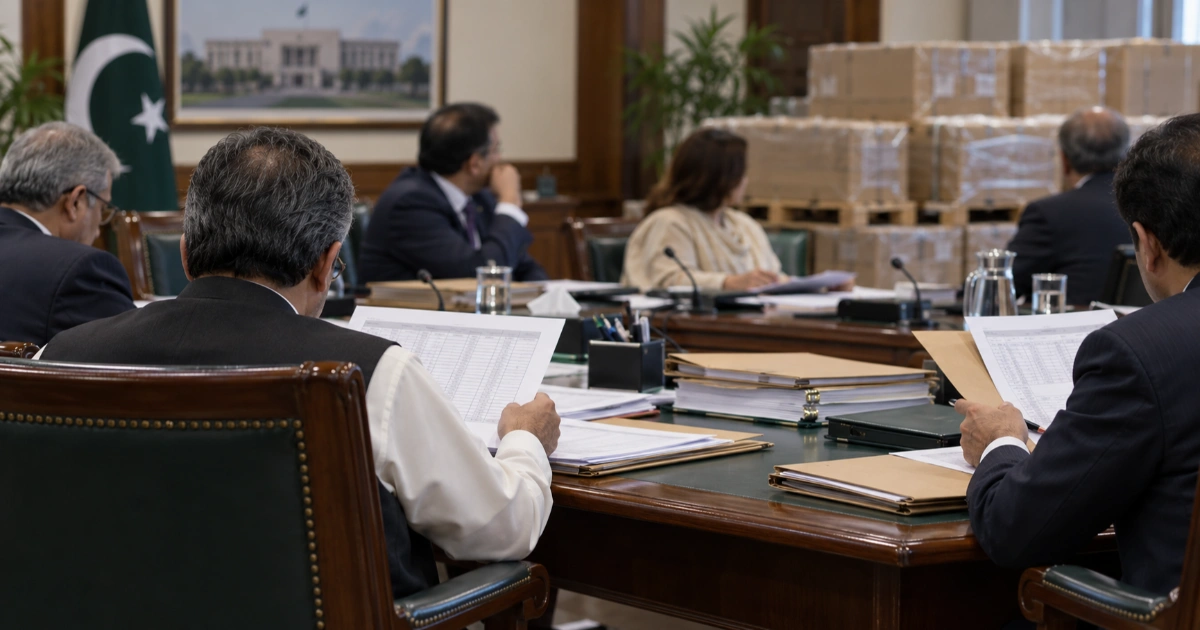
Pakistan’s Senate Standing Committee on Interior and Narcotics Control has called for further investigation into the reported theft of 2,828 cartons of cigarettes and wider revenue losses in the tobacco sector. The committee questioned why lower-ranking officials were named in the FIR while senior officers and factory owners were not fully held accountable.
Health and policy experts are calling for Pakistan to strengthen tobacco control by developing a regulated, evidence-based framework for tobacco harm reduction, while keeping complete cessation as the safest outcome for smokers.
People who vape may still be treated as smokers when applying for life insurance in South Africa. The distinction matters: the source article says failing to disclose nicotine or vaping use could lead to policy complications or disputes over a claim.
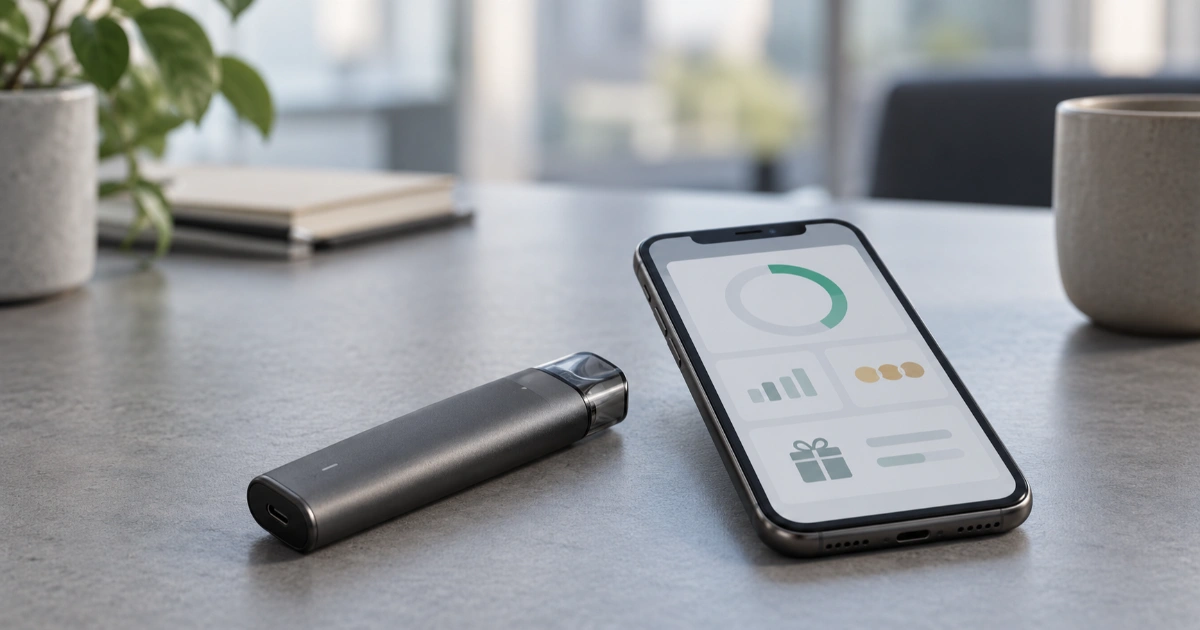
Some newer vaping devices link use to cryptocurrency, points and other rewards. Researchers at MUSC Hollings Cancer Center warn that rewarding continued vaping could increase addiction risks and work against efforts to quit.
While tobacco use among men over 15 has fallen in many countries since 2000, Indonesia continues to face a substantial burden from both conventional cigarettes and e-cigarettes, according to a report by KOMPAS.
Developments in Canada, research on heated tobacco and New Zealand’s smoking trends are renewing debate about whether nicotine products should be regulated according to their risks relative to cigarettes. The examples point to the importance of combustion and access to alternatives, while leaving questions about long-term health effects and policy outcomes open.
A systematic review reported by Nature links vaping among children and young people with nicotine dependence, several health concerns and a greater likelihood of later smoking cigarettes. The authors distinguish these risks from the potential use of e-cigarettes by established adult smokers trying to quit.
A group of Republican senators is urging President Donald Trump to press China to curb exports of illicit vaping products to the United States. The call comes as Alabama prepares to bring in restrictions on vaping in public spaces.
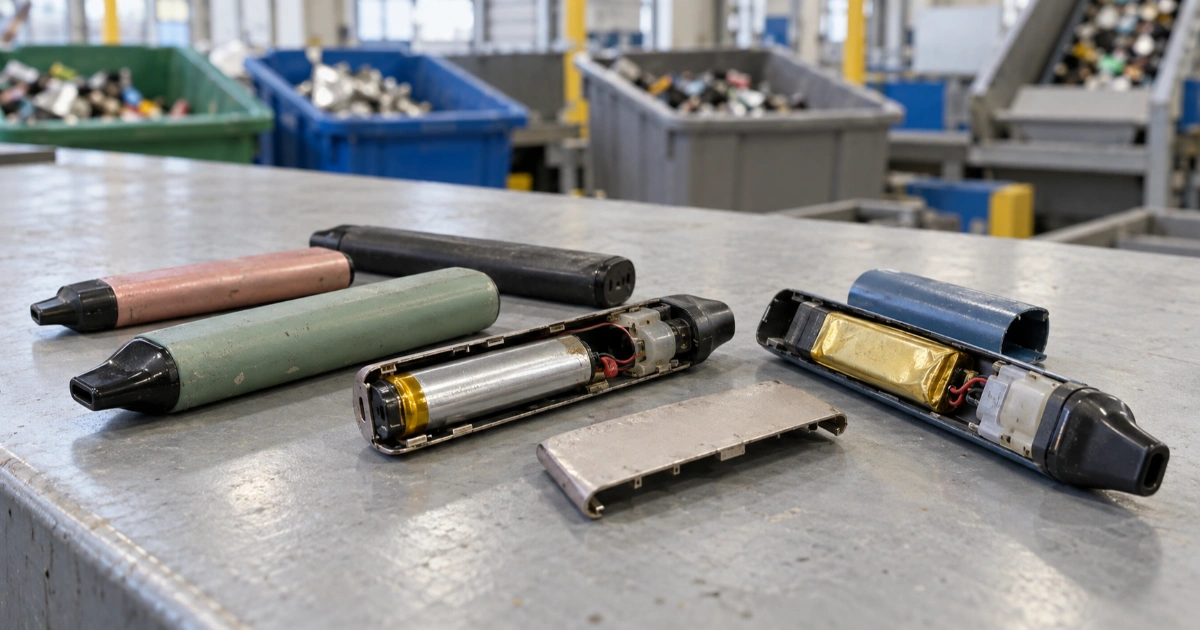
California has approved a phased ban on sales of tobacco-containing disposable vapes, citing concerns about waste from devices with built-in batteries. Restrictions on manufacturing and importing begin in 2027, with retail sales prohibited from 2028.
People with lung conditions and local organisations in Guernsey are calling for vaping to be restricted in and around public venues. Indoor smoking has been illegal in most places such as bars and restaurants since 2005, but indoor vaping is currently left to each business to decide.
Advocates in Bangladesh are calling for rules to be formulated without delay to put the country’s amended tobacco control law into effect. At a Dhaka discussion, speakers said the rules should address gaps in the law and help ensure its provisions are implemented.
A study of 30,979 Japanese adults found that current heated tobacco users had a higher risk of developing hypertension than never-smokers in the main analysis. However, the association was not statistically significant in several sensitivity analyses, and the study cannot show that heated tobacco use caused the condition.
Prison authorities in Ireland are examining whether controlled vaping could reduce exposure to cigarette smoke, even as the country debates tougher vaping restrictions. Experience in England and Wales shows how a specially designed vape helped address a fire risk without removing the smoke-free nicotine alternative.
An investigation reported by the Sydney Morning Herald found hundreds of advertisements for illegal tobacco and vape products on TikTok and Meta platforms in Australia. The companies said they had removed some ads and accounts, but the report said many Alibarbar vape ads remained active after Meta was contacted.
The US Food and Drug Administration is expected to announce measures that could accelerate reviews of vaping products and nicotine pouches, according to a Wall Street Journal report cited by Reuters. The report says the agency may revisit requirements for new tobacco applications and consider simpler scientific-study rules, although Reuters could not independently verify the details.
When you stop smoking combustible tobacco, the body begins to recover almost immediately. Heart rate and blood pressure begin to drop within 20 minutes, breathing and lung function improve over time, and the long-term risks linked with smoking steadily decline.
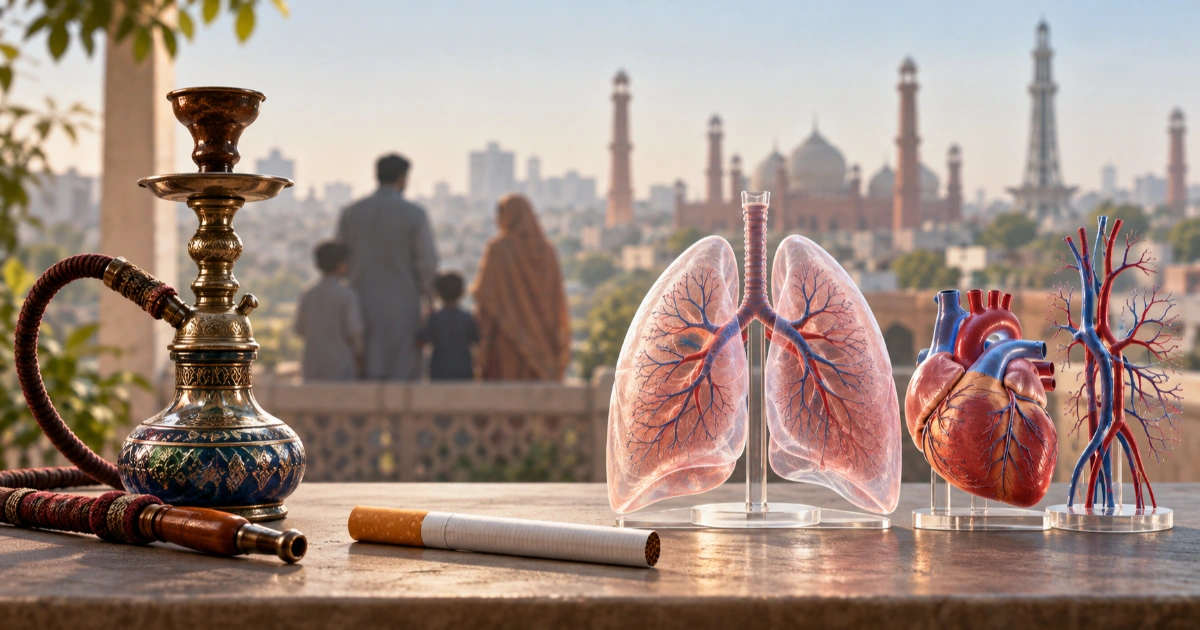
Smoking can damage nearly every organ in the body. It is linked to cancer, heart disease, stroke, lung disease, weakened immunity and pregnancy-related risks, while secondhand smoke can also harm people nearby.
The five A’s give clinicians and healthcare teams a practical way to identify tobacco use, encourage quitting and support patients through a quit attempt. The approach covers asking about tobacco use, advising patients to quit, assessing readiness, assisting with a quit plan and arranging follow-up.
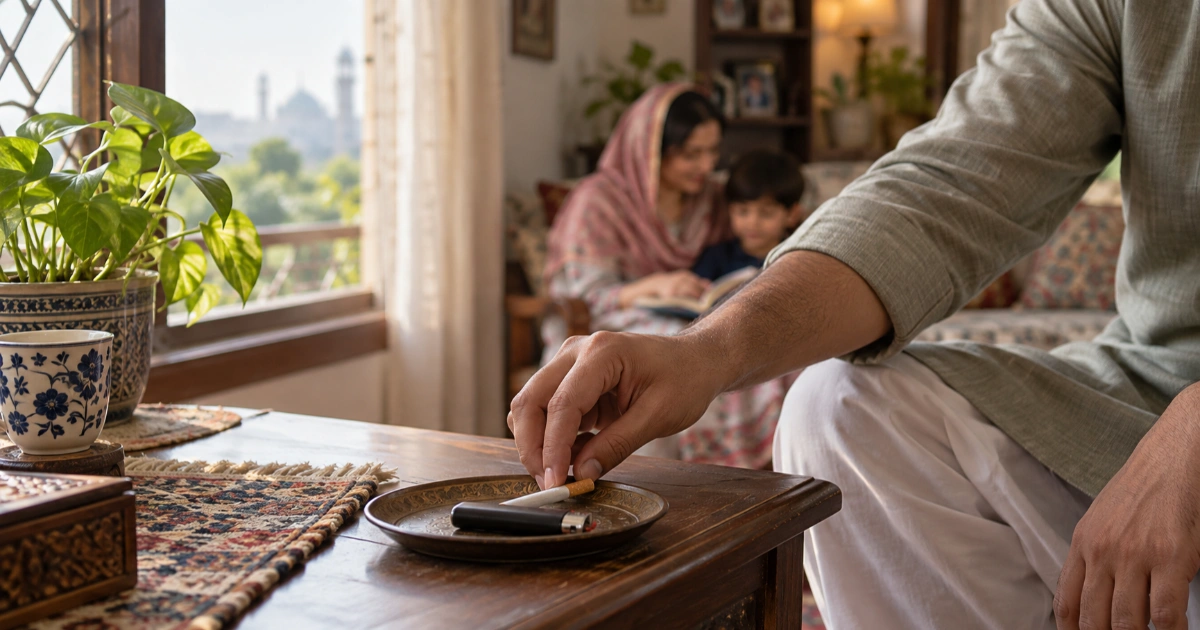
Parents can play a decisive role in protecting children from smoking. By creating a smoke-free home, talking openly about tobacco and modelling healthy choices, they can help children resist curiosity, peer pressure and misleading images of smoking.
Many adult smokers in Pakistan try to quit but struggle to do so without accessible support. Expanding local cessation programmes, counselling and nicotine replacement therapies could give smokers more practical help, while bringing healthcare providers into tobacco-control efforts.
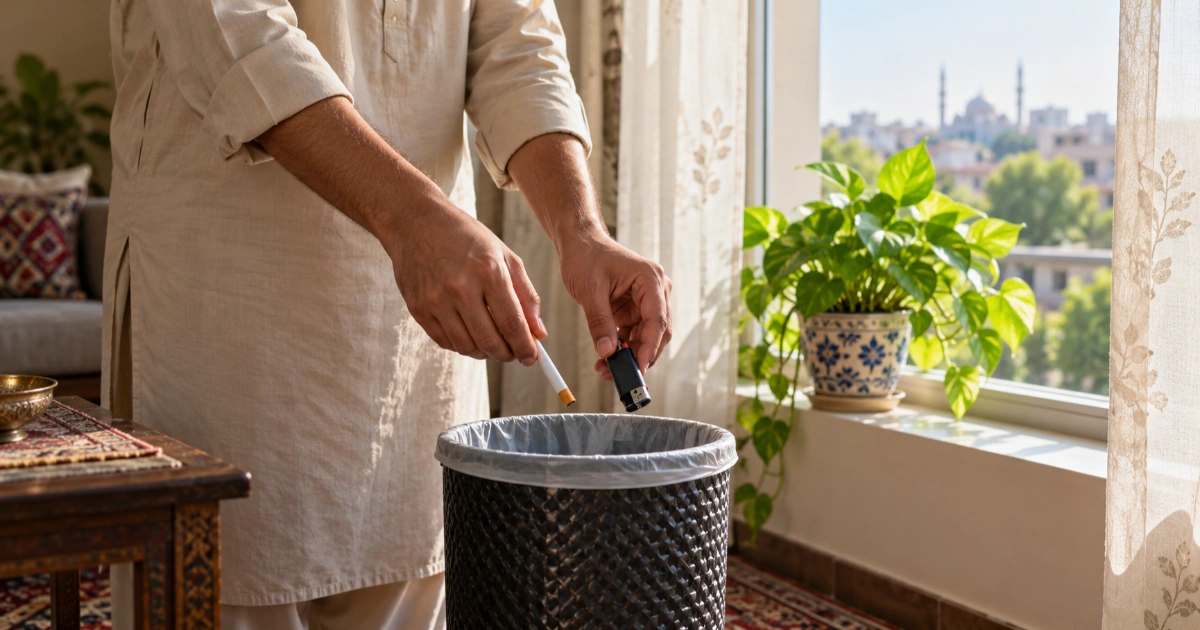
Quitting smoking brings health benefits at any age and can also protect family, friends and coworkers from secondhand smoke. Although the first days may be difficult, stopping smoking can help break the cycle of nicotine withdrawal, stress and repeated cravings.