Smoking remains one of the most preventable causes of disease and premature death worldwide. Despite decades of public health campaigns, young people continue to be drawn into smoking—often influenced by peer pressure, curiosity, or misleading portrayals of smoking as “cool”.
In this battle, parents stand as the most powerful line of defense. Their role is not just supportive but decisive in shaping attitudes, behaviors, and long-term health outcomes.
The Global Youth Tobacco Survey conducted in Pakistan in 2022 found that 6.8% of surveyed school students aged 13 to 15 currently used a tobacco product: 4.0% smoked tobacco and 4.4% used smokeless tobacco (some students used both). In the seven days before the survey, 30.5% reported exposure to tobacco smoke inside an enclosed public place and 12.6% reported exposure at home.
Children often mirror behaviors of parents. If parents smoke, the likelihood of their children experimenting with cigarettes increases significantly. Therefore, if one or both parents smoke, it is imperative that they quit before urging their children to avoid the habit.
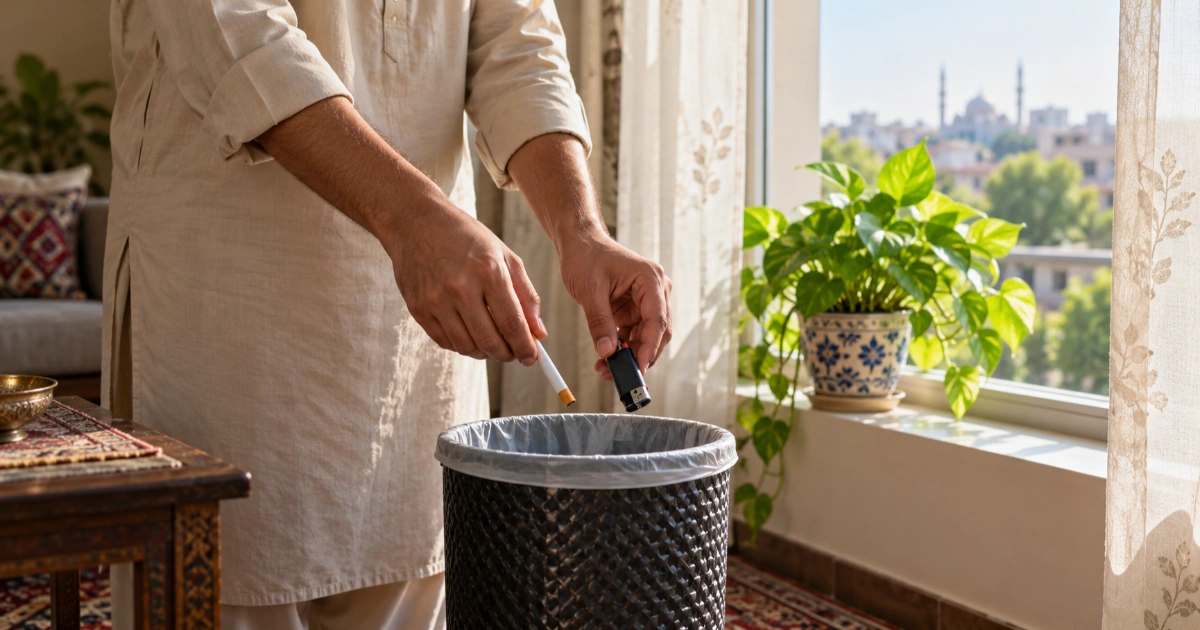
On the other hand, parents who do not smoke and provide a smoke-free living send a strong message that health and self-control are valued. Everyday actions — choosing not to smoke at home, avoiding smoking in social settings, and openly discussing the harms of tobacco use — create a living example that resonates more than abstract warnings.
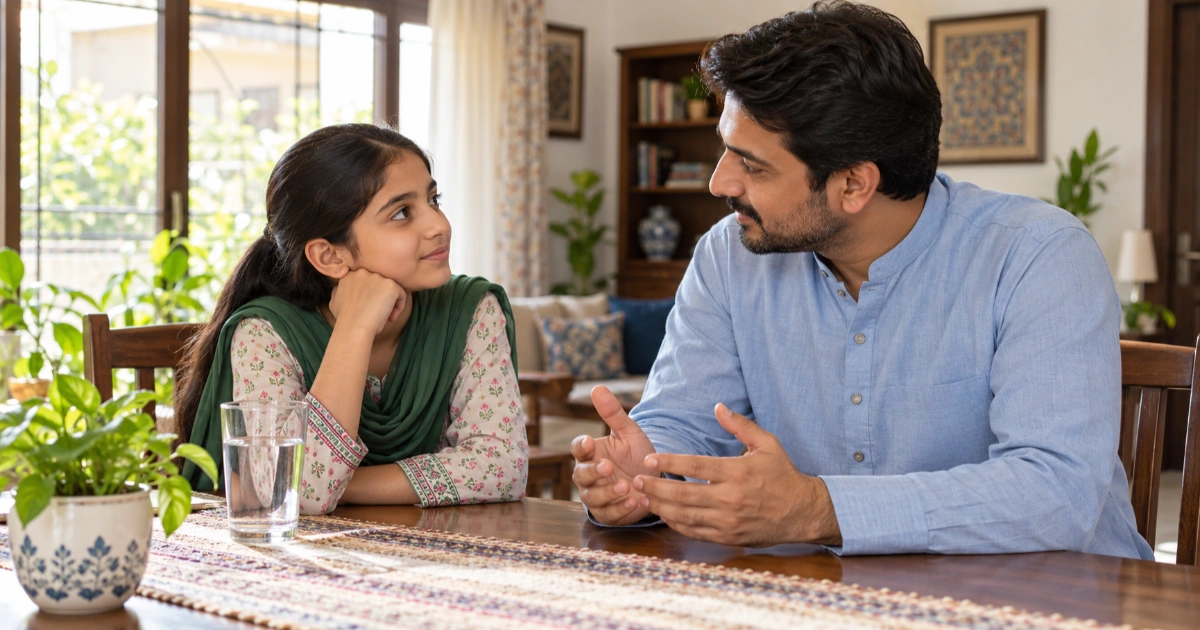
Parents need to talk about the issue of smoking with children. It leads to understanding each other’s perspectives and practical solutions. Honest and age-appropriate conversations about the dangers of smoking are essential. Parents who explain not only the health risks (lung cancer, heart disease, respiratory illness) but also the social and financial costs (bad breath, reduced stamina, wasted money) make the issue relatable. This dialogue helps children feel comfortable asking questions and resisting peer pressure, knowing they have their parents’ support.
If the home environment is without smoking, the message for the children is loud and clear. It makes smoking an unacceptable guest, which is critical in bringing up children with the message that smoking should not be part of their daily life.
Additionally, home free of tobacco smoke reduces exposure to harmful secondhand smoke and reinforces the norm that smoking is unacceptable. Establishing clear household rules—such as “no smoking inside” or “no cigarettes allowed”—sets boundaries that children internalize. Parents can also influence extended family and visitors, ensuring consistency in the child’s environment.
Parents are often the first to notice subtle changes in behavior—withdrawal, secrecy, or the smell of smoke. Addressing these signs early, with empathy rather than punishment, can prevent experimentation from becoming addiction. Encouraging healthy alternatives—sports, creative hobbies, or community involvement—provides positive outlets that reduce the appeal of smoking.
Media, peers, and even stress can push youth toward smoking. Parents act as a counterbalance by teaching critical thinking: “Just because it looks glamorous on TV doesn’t mean it’s safe.” By equipping children with refusal skills—simple, confident ways to say “no”—parents empower them to resist social pressure.
Supporting broader community and school campaigns amplifies the message and creates a united front against tobacco.
Parents are not passive observers in the fight against youth smoking; they are the frontline guardians. Through role modeling, communication, environmental control, and vigilance, they can shield their children from the lure of combustible smoking. The influence of a parent’s words, actions, and values often outweighs that of peers or media. In short, keeping the next generation smoke-free begins at home—with parents leading the way.
Source Acknowledgement
Original article by Team for Smoke Free News.
- Author
- Team
- Published
- 24 Sep 2026
- Last verified
- 24 Sep 2026