
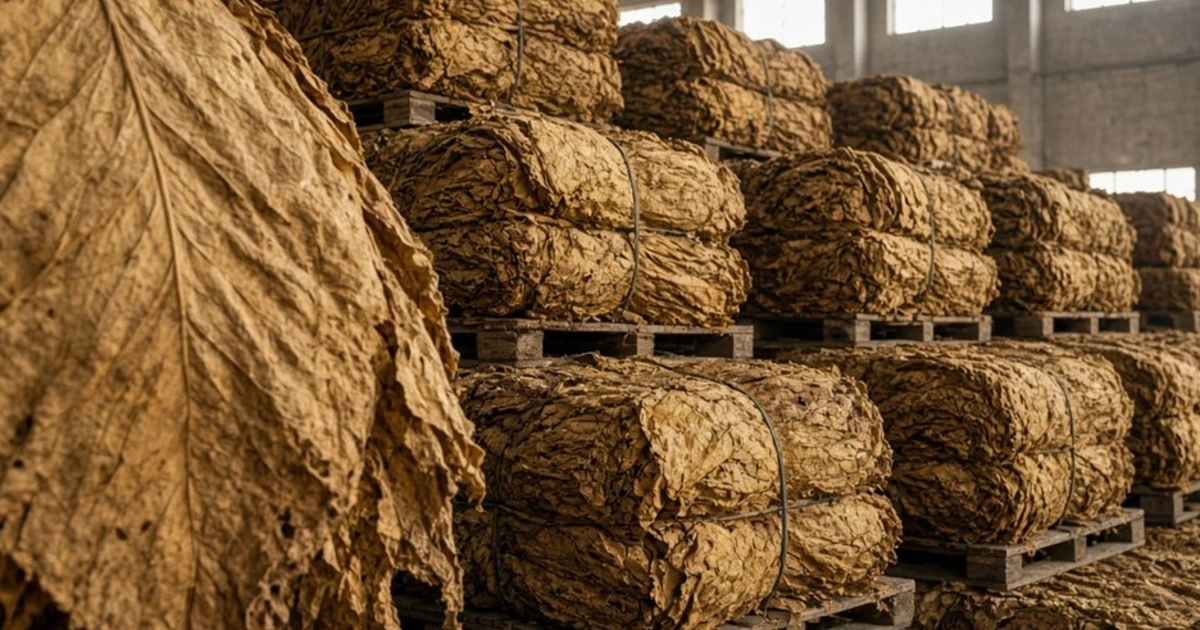
A study published in Scientific Reports on 10 October 2026 examined how the cigarette beetle (Lasioderma serricorne), a widely distributed pest of stored products, develops and reproduces on six commercial tobacco varieties grown in Pakistan. The researchers found differences between varieties in the beetle’s survival, population growth and development.
The study describes economic losses to Pakistan’s tobacco business from cigarette beetles, which can seriously damage tobacco in storage. The authors identify the larval and adult stages as the most destructive.
How the varieties compared
The researchers used age-stage, two-sex life tables to study the beetle on SPT-G-28, K-339, SPT-G-227, OK-940, Gulshery and RG-17.
Results showed significant differences in survival rates, population growth measures and developmental periods across the varieties. RG-17 supported the longest developmental period and the highest reproductive metrics, which the authors said indicated susceptibility to infestation. Gulshery had higher intrinsic rates of increase and fecundity.
The authors said the findings may offer insight into cigarette beetle infestation in warehouse settings and help with developing management strategies.
Research team and support
The study involved researchers from Khwaja Fareed University of Engineering and Information Technology in Rahim Yar Khan, King Saud University in Riyadh, the Pakistan Tobacco Board, Zhejiang University and Pir Mehr Ali Shah Arid Agriculture University in Rawalpindi.
The Pakistan Tobacco Board, under the Ministry of National Food Security and Research, provided the dried tobacco leaves used in the study. Funding came from King Saud University's Ongoing Research Funding Program (ORF-2026-1070).
Source Acknowledgement
This article is adapted from "Demographic studies of cigarette beetle on commercial tobacco varieties using age-stage two-sex life tables", published in Scientific Reports on October 10, 2026. Smoke Free News has rewritten and summarised the study for clarity.
Source: Scientific Reports (Nature)
- Author
- Smoke Free News Desk, adapted from Scientific Reports
- Published
- 12 Oct 2026
- Last verified
- 12 Oct 2026